Vitamins and minerals in Pregnancy - What You Really Need (and What You Don’t)
Pregnancy is a time filled with advice, especially when it comes to supplements. Pharmacies and online shops sell shelves of pills marketed for “healthy pregnancy,” but the truth is much simpler: a few key supplements are essential, and the rest can usually come from a balanced diet. Taking too many pills not only complicates things but can sometimes be unnecessary or even harmful. So, what’s truly important, and what can you get from food? Let’s break it down.
The Must-Have Supplements
Folic Acid
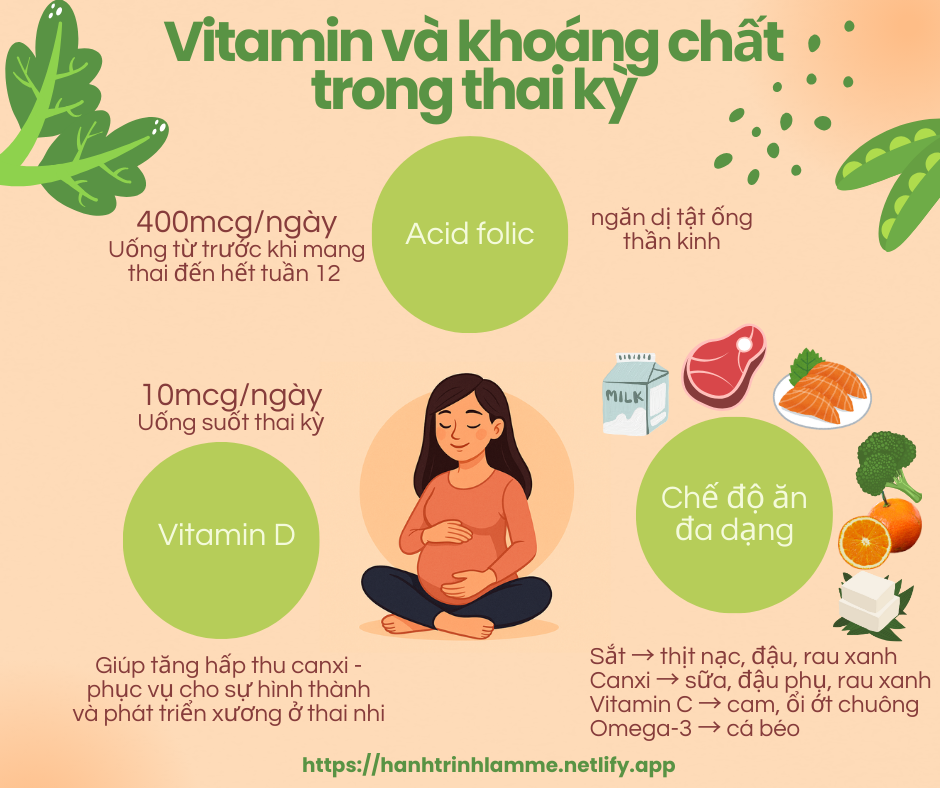
Folic acid is non-negotiable. It helps prevent neural tube defects, such as spina bifida, which occur in the earliest weeks of pregnancy.
-
Recommendation: 400 micrograms daily from before conception until 12 weeks of pregnancy. If you are pregnant without knowing it in advance, no worries, take folic acid as soon as you know.
-
Why: It’s very difficult to get enough folate (the natural form of folic acid) from diet alone, even with leafy greens and fortified cereals.
-
Special cases: Some women are advised to take a higher dose (5 mg) if they have diabetes, take certain medications, or have a personal or family history of neural tube defects.
Vitamin D
Vitamin D is another essential supplement, as it supports bone, teeth, and immune health.
-
Recommendation: 10 micrograms daily throughout pregnancy.
-
Why: Our bodies make vitamin D from sunlight, but in many cases, sunlight alone is not enough or blocked by sun scream or clothes. Food sources are limited (oily fish, eggs, milk), so supplementation is needed.
-
Caution: Do not take more than 100 micrograms (4,000 IU) per day, as high doses can be harmful.
The Role of Diet
Beyond folic acid and vitamin D, most other nutrients can be obtained from a varied, balanced diet. Here are a few examples:
-
Iron: Found in lean meat, beans, leafy greens, and fortified cereals. Supplements are only necessary if blood tests show anemia.
-
Calcium: Important for your baby’s bones; found in dairy products, fortified soy drinks, tofu, and leafy greens.
-
Vitamin C: Helps iron absorption and supports immunity; found in fruits (oranges, strawberries), peppers, and broccoli.
-
Omega-3 fatty acids: Important for brain and eye development; best from oily fish (limit to 2 portions per week).
Food also provides fiber, antioxidants, and other compounds that no pill can fully replace.
When Diet Isn’t Enough
Some mothers may struggle to eat a balanced diet for all nine months due to morning sickness, food intolerances, or restricted diets (e.g., veganism). In these cases, a single prenatal multivitamin is a safe and simple solution. More is not always better. Taking multiple separate supplements can create confusion, increase costs, and sometimes pose risks. For example, high vitamin A intake can damage the developing baby, and excessive iron can cause digestive problems.
Pregnancy nutrition doesn’t need to be complicated. Focus on a healthy, varied diet as your foundation, supplement only with what is truly essential (folic acid and vitamin D), and consider a single prenatal pill if diet diversity is a challenge. That’s all most healthy mothers need, no overflowing pillboxes required, consult your pharmacist or doctor if you’re unsure.
Reference
NHS (UK): Vitamins, supplements and nutrition in pregnancy American College of Obstetricians and Gynecologists (ACOG): Nutrition During Pregnancy