Week 16 of Pregnancy
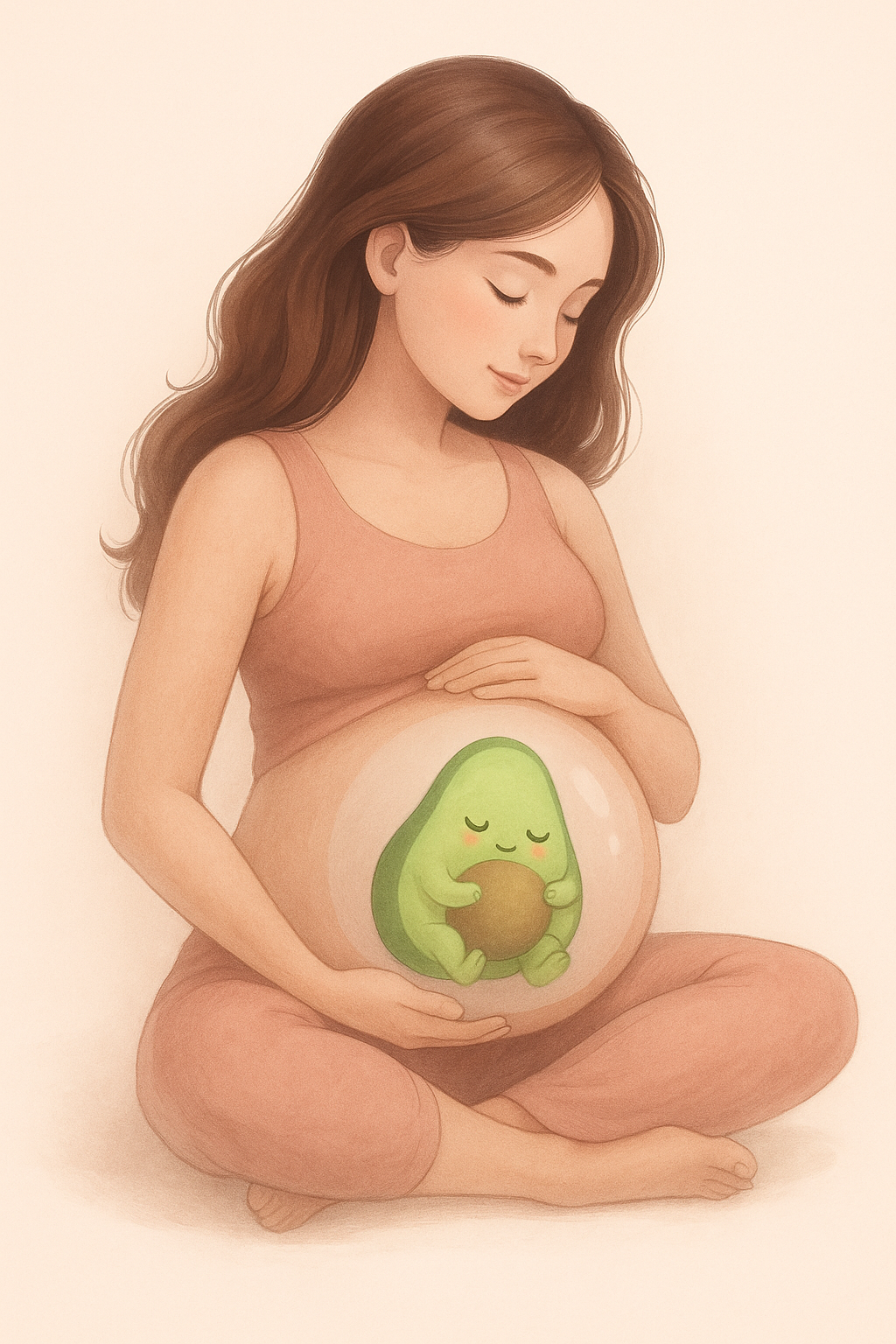
At 16 weeks, your pregnancy continues to progress, bringing with it exciting changes for both you and your baby. The hCG hormone is gradually replaced by progesterone, which can leave you feeling more fatigued. Your baby is now about 15 centimeters long and weighs around 130 grams—roughly the size of an avocado. Although your baby’s eyes remain closed, they can now begin to differentiate between light and dark. Let’s explore what else is happening during this stage of your pregnancy.
What’s happening with your baby at 16 weeks
By week 16, your baby’s organs are fully formed, and they’re becoming increasingly active. Your baby can now roll and turn inside the womb, though if this is your first pregnancy, you might not feel these movements until around the 18th to 20th week. Your little one is also developing more recognizable features, such as lifting their head, opening their mouth, and moving their chest and abdomen in a way that mimics deep breathing. Remarkably, your baby can now suck, swallow, and even experience hiccups. Additionally, they can yawn, stretch, raise their eyebrows, and frown—showing just how expressive they’re becoming.
Another significant development this week is the formation of the genital organs, which are now fully developed. This means that your baby’s sex can be determined through a specialized ultrasound.
At 16 weeks, your baby’s skin also begins to develop a protective layer known as vernix caseosa, a white, greasy substance made up of lanugo (fine hair), dead skin cells, and oil. This waxy coating protects your baby’s delicate skin from any potential harmful substances in the amniotic fluid.
Interestingly, your baby is well-protected from extreme temperatures. Your body naturally regulates the temperature, ensuring that your baby never gets too hot or too cold. The amniotic fluid, uterine membranes, muscle wall, body fat, and your skin all contribute to maintaining a warm and stable environment for your baby.
What’s happening to your body at week 16
By week 16, your body has adapted to pregnancy, and many of the early symptoms, such as fatigue and nausea, have likely subsided. Your uterus has grown to the size of a grapefruit, and while the muscle wall is thick and strong, it’s also beginning to stretch and thin out as your pregnancy progresses.
You may start to notice changes in your skin, which can be attributed to the combination of weight gain, skin stretching, and hormonal fluctuations. If you’re considering adding extra care to your skincare routine, using baby skincare products can be a great option—they’re gentle enough for your baby, so they’ll be beneficial for you too!
As your belly grows, you might begin to feel some discomfort in your muscles and joints, particularly in your pelvis, hips, neck, and shoulders. It’s important to address any discomfort early on to maintain your well-being throughout your pregnancy.
Things to Do in Week 16
-
Staying Active: Pregnancy is a great time to stay active, and there are plenty of safe exercise options available. Consider joining a pregnancy gym class, where you’ll not only learn about pregnancy and childbirth but also engage in practical exercises designed to help you relax and strengthen the muscles that are most affected during pregnancy.
-
Buying a Maternity Bra: As your breasts continue to grow, investing in a good maternity bra will become essential. A comfortable, adjustable bra that can grow with you will offer the support you need. Make sure to choose a maternity bra that fits well and provides the necessary comfort.
-
Considering a Gender Ultrasound: At this stage, your baby’s gender can often be determined through an ultrasound. If you’re eager to find out, you can opt for a gender scan around this time. However, you can also wait until the 20-week ultrasound, which can reveal your baby’s sex if you wish to know. Keep in mind that the primary purpose of the 20-week ultrasound is to assess your baby’s development, so finding out the gender might not be the focus.
-
Dreaming with Your Partner: This is also a wonderful time to start envisioning the future with your partner. Discuss the dreams and hopes you have for your baby. Whether it’s health, happiness, or a safe environment to grow up in, taking the time to recognize and share these feelings can strengthen your bond as you prepare for your baby’s arrival.
Reference
This article includes information adapted from the Dutch pregnancy care platform Zwangerportaal.